Rates & availability change: Phinisi Lemo Lemo is an independent guide and commissioning service that connects international buyers to vetted Bugis-Makassar shipyards in Bira, Tana Beru, and Lemo Lemo — we are not a single named yard and not a government body. All prices and timelines are ESTIMATE RANGES (USD) flagged with the date last verified, project-specific, and confirmed by the yard after design and survey. Ownership, flag, and cabotage notes on this site are general information, not legal or tax advice; retain a maritime lawyer. If you proceed with a partner we introduce, they may pay us a referral fee at no extra cost to you.
Phinisi build time for a modern 25–50 metre liveaboard is typically 18–30 months from signed contract to final sea trials. That phinisi construction time assumes a well-prepared buyer, a committed Bugis-Makassar yard team, and no major design changes mid-stream.
What Does “Phinisi Build Time” Actually Mean?
There are two ways people use the phrase “how long to build phinisi”:
- Hull-only carpentry time in South Sulawesi – often quoted locally as “12–18 months” for a mid-sized hull.
- Full project timeline from first brief to commercial operation – realistically 18–30 months for a custom 25–50 m liveaboard, sometimes longer for highly bespoke superyacht-level specs.
At Phinisi Lemo Lemo we always talk about the full phinisi timeline: from your first design conversations, through traditional wooden hull construction in Bira / Tana Beru / Lemo Lemo, to machinery, systems, interiors, class/flag work, and sea trials.
Typical Phinisi Timeline by Size and Complexity
The ranges below are based on recent projects in South Sulawesi, interviews with Konjo master builders, and partner design/engineering teams. All are estimate ranges only, last verified June 2026; your specific schedule is set in your contract with the yard and technical team.
| Project type | Length overall (approx.) | Intended use | Typical phinisi build time* | Cost range (USD, last verified June 2026) |
|---|---|---|---|---|
| Smaller private sailing phinisi | 18–25 m | Private cruising, simple charter | 12–20 months | ~US$800k–1.8M |
| Mid-size liveaboard dive / charter | 25–35 m | Commercial liveaboard, 6–10 guest cabins | 18–28 months | ~US$1.5M–3.5M |
| Larger expedition / boutique yacht | 35–50 m | High-end charter, expedition, 8–14 cabins | 20–36+ months | ~US$3M–7M+ |
| Conversion of existing hull | Varies | Refit/repurpose older hull | 8–18 months | Highly variable; survey-dependent |
*Contract to sea trials, assuming no major redesign mid-project and timely decision-making by the owner.
Phase-by-Phase: From First Call to Sea Trials
Phinisi construction time is best understood as a sequence of overlapping phases. Some are visible in the yard; others happen on paper, in engineering offices, and with maritime authorities.
1. Vision, Feasibility & Yard Selection (4–12 weeks)
This is the phase many buyers underestimate, yet it shapes the entire phinisi timeline.
- Clarifying the brief – length, guest capacity, crew concept, cruising areas, charter vs private, design language (more “heritage sailing” vs “expedition motor yacht with sails”).
- Regulatory framing – preliminary thinking about flag state, class, and operational profile. For example: Indonesian domestic charter only vs international charter under a foreign flag. This is general operational information, not legal advice; you still need a maritime lawyer and flag/class consultants.
- Budget banding – aligning ambition with what is realistically achievable in South Sulawesi at your target quality level.
- Yard due diligence & shortlisting – visiting Bugis-Makassar yards in Bira, Tana Beru, Lemo Lemo; assessing current workload, build quality, payment expectations, and openness to modern engineering input.
For a serious international buyer, this phase is typically 1–3 months of calls, technical sketches, and at least one yard visit.
Phinisi Lemo Lemo’s role here is to provide independent intelligence and commissioning support across multiple vetted Konjo yards. We are not a single yard, and no one can pay to change what we publish; if you proceed with our partner they may pay us a referral fee at no extra cost to you.
If you are considering a project and need grounded guidance on realistic durations and yard capacity, you can plan your trip with us; we handle WhatsApp-based planning for on-the-ground yard visits and technical meetings.
2. Concept Design & Technical Framing (1–3 months)
Once you have a preliminary yard partner and a broad budget, concept design aligns traditional Bugis hull practice with contemporary naval architecture and systems thinking.
- Concept GA (general arrangement) – cabin count, crew spaces, galley, dive deck, storage, tankage, engine room layout.
- Preliminary weight and stability considerations – crucial with heavy timber hulls and high superstructures.
- Structural and systems philosophy – e.g. all-wooden structure vs composite/steel frames in key areas; generator philosophy; HVAC depth; automation levels.
- Commercial requirements – things like separate grey/black water tanks, fuel capacity for long crossings, dive compressor layout, cold storage.
Good concept work compresses later delays. Poor concept work expands your phinisi timeline through redesign, rework, and change orders.
3. Contract, Payment Schedule & Permits (2–8 weeks)
After concept alignment you enter the formal agreement stage:
- Build contract between owner entity and yard (and in many cases separate agreements with naval architect, interior designer, and project manager).
- Payment schedule linked to milestones (keel laying, hull closure, machinery installation, launching, etc.). Local norms in South Sulawesi are different from European yacht yards and need clear negotiation.
- Permits and local registrations for yard construction phase, where applicable.
The time here is less about “how long to build phinisi” and more about how fast lawyers and principals can move. Expect 1–2 months as a practical window for international ownership structures.
Nothing structural should start before there is a clear, signed paper trail. Verbal promises can be strong culturally, but they are not sufficient for a multi-million-dollar asset.
4. Hull Construction in South Sulawesi (8–18 months)
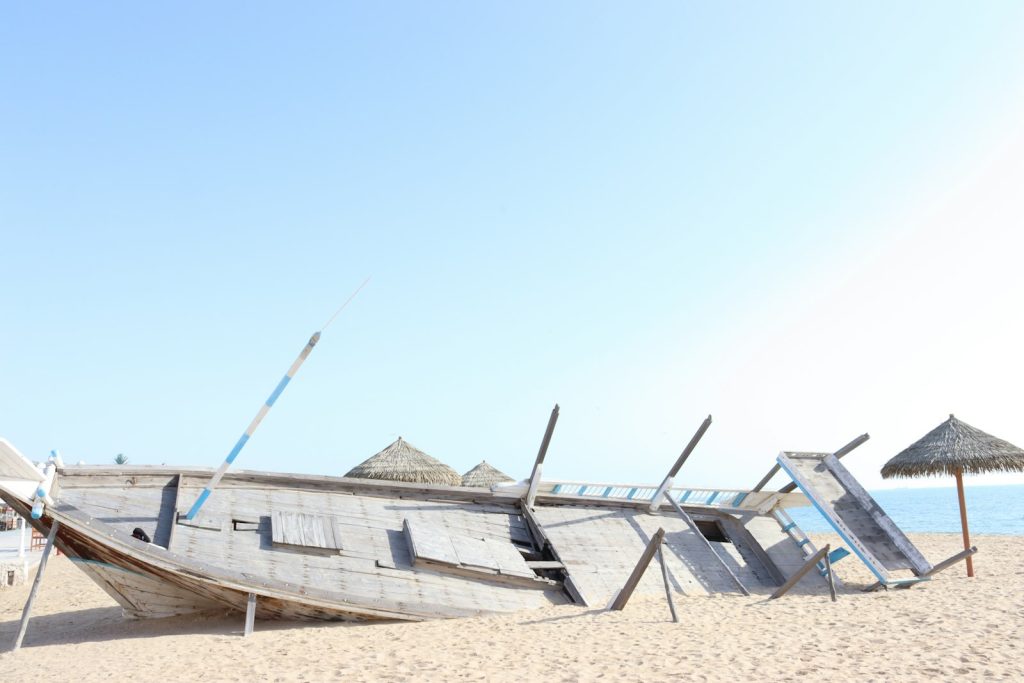
This is the heart of phinisi construction time: Bugis-Makassar carpenters building the wooden hull and primary structure on the sand or slipway.
Key steps include:
- Keel laying & backbone – sourcing and shaping the main timbers (often ironwood or other locally available hardwoods, subject to regulation and supply).
- Framing and planking – traditional “eye” based fairing by master builders, followed by teams of carpenters working plank by plank.
- Main deck and superstructure skeleton – shaping the vessel’s overall profile and interior volume.
- Caulking and basic finishing – initial sealing of hull seams, preparation for systems installation.
For a typical 30–40 m liveaboard hull in Bira/Tana Beru/Lemo Lemo, expect:
- Lower range: ~8–10 months – well-organised yard, clear design, owner decisions made quickly.
- Upper range: ~14–18 months – complex design, material delays, seasonal weather, labour reallocations.
On the beach you will see rapid visual progress early, then slower visible change as details become finer. Weather, timber logistics, and local holidays can all shift the phinisi timeline without warning, which is why you need structured project monitoring rather than occasional photo updates.
5. Machinery, Systems & Steelwork (4–10 months, overlapping)
On modern phinisi projects, machinery and systems integration is often where build time diverges dramatically between “simple local boat” and “international-standard yacht.”
Typical scope:
- Main engines & gearboxes – from robust fishing-boat style setups to class-compliant twin-engine arrangements.
- Generators and power management – number and redundancy level depending on air-con load, diving operations, hotel load.
- Fuel, water, black/grey water tanks – increasingly in steel or other materials within the wooden hull.
- HVAC, electrical, navigation & communication systems.
- Fire, bilge, alarm, and safety systems adapted to the chosen flag and class or survey standard.
Many owners underestimate the specialist interfaces required between traditional wooden structures and modern steel/aluminium and composite components. Good engineering teams and clear drawings shorten the phinisi construction time significantly at this stage.
6. Interior Fit-Out & Joinery (6–12 months, overlapping)
This is where your phinisi starts feeling like a yacht rather than a hull.
- Cabins and bathrooms – layout adherence to GA, sound insulation, joinery detailing.
- Public spaces – saloons, dining, dive decks, sun decks, wheelhouse interiors.
- Finishes – flooring, ceilings, paneling, built-in furniture, lighting.
- Galley and crew areas – often the difference between a “pretty charter boat” and a robust, efficient operation.
Handcrafted wooden interiors are labour-heavy but visually rewarding; they also mean that every change of mind by the owner at this stage extends the phinisi build time. Expect 6–12 months depending on detail level, materials sourcing, and decision speed.
7. Painting, Rigging & Final Detailing (3–6 months)
As systems and interiors near completion you enter the visible finishing phase:
- Exterior fairing and paint/varnish – wood protection strategy, aesthetic decisions (brightwork vs painted topsides).
- Mast and rig installation – traditional gaff rigs, simplified sail plans, or more contemporary setups, depending on design.
- Deck hardware and safety – rails, ladders, anchors, mooring gear, tenders.
- Branding & interior styling – soft furnishings, linens, loose furniture, dive gear storage.
This period is often compressed under schedule pressure, but cutting corners here can cause early maintenance headaches. Plan for 3–6 months rather than assuming a quick “last month polish.”
8. Launch, Sea Trials & Rectification (1–3 months)
Launching in South Sulawesi is still culturally important: the boat is physically moved from the beach or slipway to the water, often with community involvement.
After launch you need:
- Harbour trials – engines, generators, manoeuvring, emergency stops, basic systems checks.
- Sea trials – speed, fuel burn, vibration, noise, steering, stability in different conditions, rig tests if you intend to sail regularly.
- Rectification period – tweaks, defect lists, and corrections based on sea trial findings.
Even for a straightforward project, allocate at least 4–8 weeks. For a more complex, classed vessel, 2–3 months is more realistic.
9. Flag, Class, Insurance & Operational Readiness (parallel, 3–9 months)
This is the administrative shadow side of your phinisi timeline. It often runs in parallel with late construction but can become the critical path if delayed.
- Flag state registration – choosing and registering with a flag appropriate to your ownership, financing, and cruising plans.
- Compliance & surveys – class society or local survey inspections, safety equipment audits, machinery and electrical approvals.
- Commercial licensing – if you plan charter operations in Indonesia or internationally.
- Insurance underwriting – hull, machinery, P&I; underwriters will care about build documentation and survey quality.
Nothing here is legal advice. Regulations, cabotage and tax implications change, and you must work with specialised maritime counsel and experienced agents. But for planning phinisi build time, you should simply assume that paperwork can easily take 3–9 months from the point serious documentation exists.
What Most Owners Underestimate About Phinisi Construction Time
Design Changes Mid-Build
The single biggest self-inflicted extension to phinisi build time is late changes: extra cabins, different engine choices, full interior re-themes after hull completion.
Each change can ripple through structural reinforcement, systems routing, weight distribution, and regulatory documentation. A “small” interior change late in the project can easily add 1–3 months and notable cost escalation.
Material Supply & Local Logistics
South Sulawesi remains a traditional shipbuilding region. High-value items—engines, generators, specialist hardware, high-end finishes—often travel long distances by road and sea. Delays from suppliers or customs can stall specific milestones.
Well-managed projects front-load critical purchases and have contingency plans. Poorly managed ones wait until “soon we will need X,” then discover that X is on a three-month lead time.
Weather, Tides, and Yard Throughput
Many yards in Bira / Tana Beru / Lemo Lemo work seasonally around monsoons, extreme heat, and local festivities. Particularly at launch and heavy-lift moments, tides and sea state dictate workable windows.
In addition, traditional family-run yards sometimes reallocate labour between projects or local fishing needs. Robust contracts and on-site project management help keep your phinisi timeline close to the agreed range, but some variability is inherent to the region’s working rhythm.
Decision Latency from the Owner Side
Even a well-organised yard cannot progress sections that depend on pending owner decisions:
- Finalising GA and cabin count.
- Choosing machinery package and brands.
- Confirming interior design details and materials.
24–48 hours vs 3–4 weeks per decision, repeated dozens of times, can easily be the difference between a 20-month and a 30-month phinisi build time.
Indicative Cost vs Time Trade-offs
Within a given project size, you often have trade-offs between budget, specification, and construction time. Below is a simplified comparison of how certain choices typically affect your phinisi timeline. These are directional only and must be validated per project.
- Simpler systems, local-spec
- Lower upfront cost, shorter engineering lead times; may limit flag/class options and long-term operational robustness.
- International-standard classed vessel
- Higher engineering and survey workload; often +3–6 months vs a locally-spec’d equivalent, but can unlock better charter and resale prospects.
- Minimal interior complexity
- Faster joinery, fewer imported components; often suitable for private or entry-level charter, 1–3 months faster.
- Highly bespoke interiors and detailing
- Custom everything: cabinetry, hardware, lighting; adds design time, procurement, and on-site fit-out time, often +3–6 months.
How to Keep Your Phinisi Timeline Under Control
1. Invest Properly in Early Design & Engineering
Bringing experienced naval architects and marine engineers into the process from the start is non-negotiable if you are aiming at international-standard quality. They bridge the gap between Bugis traditional knowledge and your flag/class requirements, and can prevent costly rework.
2. Use a Dedicated Project Manager or Owner’s Representative
A phinisi project in South Sulawesi is not a “set and forget” purchase. An on-the-ground project manager with both local cultural fluency and technical literacy is a major risk and time-control tool.
That person’s job is to:
- Monitor build progress vs schedule.
- Flag issues early while there is still a low-friction fix.
- Coordinate between owner, designers, suppliers, and yard in real time.
3. Lock Critical Decisions Before Hull Close-Up
By the time the hull is fully planked and decks are going down, you should have clarity on:
- Cabin and bathroom count and approximate layout.
- Engine and generator configurations.
- Tank capacities and locations.
- Major structural penetrations (ducts, trunks, staircases).
Making these choices early allows carpenters to build with intent rather than improvisation, shortening phinisi construction time and improving build quality.
4. Plan Paperwork and Operational Setup Early
Project teams that treat flag, class, insurance, and operational licensing as “later in the process” often find their shiny new phinisi sitting at the dock waiting for papers.
Work with specialist professionals on these topics from the concept stage. Again: this page is informational only and not legal or tax advice.
Regional Realities: Why South Sulawesi Timelines Are Different
Bira, Tana Beru, and Lemo Lemo are not northern European commercial yards with hundreds of staff on shift schedules. They are coastal communities where wooden shipbuilding is a centuries-old Bugis-Konjo craft embedded into daily life.
This brings advantages:
- Deep cultural commitment to wooden shipbuilding.
- Generational experience working with local hardwoods.
- Relative cost-efficiency for large wooden hulls.
And challenges for schedule-driven buyers:
- Weather and tide constraints at open beaches and simple slipways.
- Variable formal documentation habits compared to big international yards.
- Labour allocations influenced by family and community factors.
Accepted realistically, these are manageable. Ignored, they cause surprises. Independent guidance and candid communication are essential.
Is a Phinisi Right for Your Desired Timeline?
If you need a custom 30–40 m yacht delivered in under 12 months, a new-build phinisi in South Sulawesi is not the appropriate solution. Options in that case might include:
- Purchasing an existing phinisi and refitting (subject to rigorous survey).
- Buying a steel/aluminium yacht from a yard with available slots and higher automation.
If you have an 18–30 month horizon and value wooden craftsmanship, cultural depth, and the aesthetics of a phinisi, then South Sulawesi can be an excellent fit—provided you approach it with realistic expectations, proper technical support, and a structured commissioning plan.
Planning a Yard Visit and Next Steps
Understanding phinisi build time on paper is one thing; standing on the beach in Lemo Lemo or Tana Beru, watching hulls rise from the sand, is another.
Phinisi Lemo Lemo exists to help international buyers:
- Clarify their technical and commercial brief.
- Shortlist and visit vetted Bugis-Makassar shipyards.
- Connect with appropriate naval architects, engineers, and legal/flag specialists (independent of any single yard).
- Monitor build progress and manage communication over WhatsApp and structured reports.
If you are considering a project and want to map out a realistic phinisi timeline—along with cost ranges and yard availability—you can plan your trip with us. We coordinate WhatsApp-based pre-planning and on-the-ground visits so you can evaluate options directly and make informed, time-aware decisions.
FAQs on Phinisi Build Time
Can a phinisi be built in under 12 months?
For a new 25–50 m liveaboard built in South Sulawesi to a standard suitable for serious private or charter use, sub-12-month timelines are not realistic. Hull carpentry alone can approach that duration. With systems, interiors, and paperwork, you should plan 18–30 months. Only very small or extremely simple projects, or partial builds/refits, sometimes fall under 12 months, and those require careful due diligence.
Is refitting an existing phinisi faster than a new build?
It can be, but not always. A light interior refresh might take 6–12 months, but a heavy refit that rewires systems, replaces engines, and restructures interiors can match or exceed new-build phinisi construction time. The starting condition of the hull and systems, verified by independent survey, is the key variable.
How early should I start working on flag, class, and legal structure?
Ideally during the concept design phase, months before hull construction is far along. Your intended flag, class, and operational profile influence structural details, systems, and documentation from the outset. This article gives general information only; you still need specialised maritime legal and tax counsel to avoid delays and compliance problems later.
How often should I visit the yard during construction?
For a major build, owners or their representatives often plan visits at key milestones: keel laying, mid-hull construction, pre-decking, systems integration, and pre-launch. In practice, a dedicated project manager on site or with frequent South Sulawesi presence is more important than owner visits for controlling phinisi build time.
What is the best way to get a project-specific phinisi timeline and cost estimate?
Outline your intended vessel size, use (private vs charter), target cruising areas, and quality expectations, then engage in a structured feasibility conversation with independent advisors familiar with South Sulawesi yards. You can share your brief and plan your trip with us; from there we can discuss by WhatsApp and set up yard and designer meetings to produce project-specific schedules and ranges, which the yard will then formalise in their contract.