Rates & availability change: Phinisi Lemo Lemo is an independent guide and commissioning service that connects international buyers to vetted Bugis-Makassar shipyards in Bira, Tana Beru, and Lemo Lemo — we are not a single named yard and not a government body. All prices and timelines are ESTIMATE RANGES (USD) flagged with the date last verified, project-specific, and confirmed by the yard after design and survey. Ownership, flag, and cabotage notes on this site are general information, not legal or tax advice; retain a maritime lawyer. If you proceed with a partner we introduce, they may pay us a referral fee at no extra cost to you.
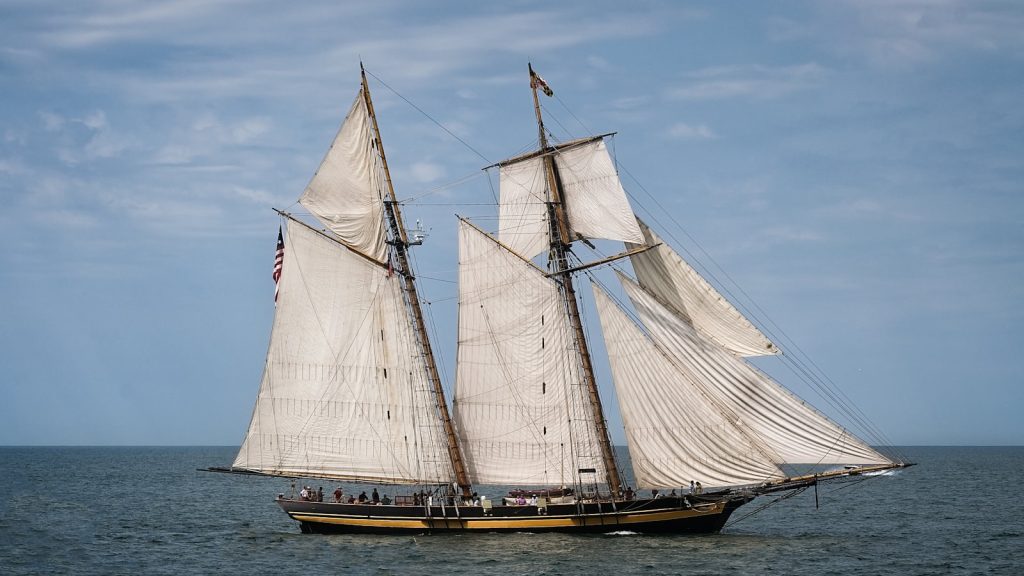
To build a phinisi is to commission a wooden sailing vessel in the Bugis-Makassar tradition, constructed by Konjo master builders in South Sulawesi. In practical terms, to build a phinisi today means managing a modern, custom phinisi build that balances heritage hull construction with contemporary safety, engineering, and guest-comfort standards.
At Phinisi Lemo Lemo, we work as your independent yard correspondent and commissioning partner on the ground in Bira–Tana Beru–Lemo Lemo. We do not operate a yard ourselves, and we do not represent a single builder. Our role is to give you clear information, help you commission a phinisi from vetted Bugis-Makassar shipyards, and keep the project honest from first sketch to sea trials.
All pricing and timeline figures below are indicative ranges in USD, last verified June 2026. Every project is quoted individually by the yard and technical team. Ownership, flag, and cabotage comments here are general information only, not legal or tax advice.
—
What Does It Mean to Build a Phinisi Today?
Building a phinisi is no longer just asking a village yard to “make a boat.” It is a hybrid process:
– Traditional: hand-shaped hardwood hulls, beach- or slipway-building, Konjo craft.
– Modern: naval architecture, engineering calculations, and class/flag safety expectations.
Most international clients who commission a phinisi now aim for one of three use cases:
1. **Private family yacht** (often 28–45 m LOA, 4–6 cabins).
2. **Commercial charter vessel** (typically 30–55 m, 6–12 guest cabins).
3. **Expedition/liveaboard dive boat** (equipment-heavy, strong focus on utility spaces).
The phinisi hull form and construction method are rooted in South Sulawesi, especially around Bira, Tana Beru, Ara, and Lemo Lemo. The Bugis-Makassar (Konjo) builders who lead these builds often work from proportion and experience rather than full CAD drawings—and the best projects bridge that tradition with professional naval architecture and marine engineering.
—
Indicative Costs and Timelines for a Custom Phinisi Build
Every phinisi is a one-off. That said, there are patterns. Below ranges are for a typical build by a serious yard team, with independent naval architect involvement and a separate outfitting/prefit crew for interiors and systems.
All prices in USD, last verified June 2026, and subject to change with timber prices, exchange rates, and specification.
Cost Ranges by Size and Spec
| Project Type (Typical LOA) | Guest Capacity (Guide) | Indicative Total Build Budget* (Hull + Outfitting) |
|---|---|---|
| Smaller private phinisi (24–30 m) | 4–6 guests (2–3 cabins) | ~US$900,000 – 1.8M |
| Mid-size charter phinisi (30–40 m) | 8–14 guests (4–7 cabins) | ~US$1.6M – 3.2M |
| Large charter / expedition phinisi (40–50+ m) | 12–20+ guests (6–10+ cabins) | ~US$2.8M – 5.5M+ |
*These indicative budgets usually include: wooden hull and structure, engines and primary machinery, basic navigation package, hotel systems, interior fit-out, paint/varnish, and essential loose equipment. They do not include: taxes, owner’s supply, tenders/toys, flag/class fees, or operational setup.
For a commercial dive/liveaboard specification with redundant systems, compressors, extensive cold storage, and higher safety fit-out, costs can skew to the upper end or beyond these ranges.
Timeline Overview
From signed shipbuilding contract to operational vessel, plan for:
– **Total build programme:** ~18–30 months
– **Hull construction (traditional yard):** ~8–16 months
– **Outfitting and systems integration:** ~8–14 months
– **Sea trials, snagging, and paperwork:** ~2–4 months
Fast-tracking below ~18 months generally means either cutting corners in planning or compromising on finish and documentation. A more measured 22–28 month window gives better room for detailing, owner changes, and proper testing.
If you want an initial view of what’s realistic for your budget and timeline, you can plan your trip with us; we coordinate early calls and WhatsApp-based planning before you commit to a yard visit.
—
The Phinisi Commissioning Process: Step-by-Step
Building a phinisi is not a “set-and-forget” purchase. It’s a project that works best when you engage at each milestone.
1. Brief and Concept Design
Before you choose a yard, you need a clear brief. Key questions:
– Private or commercial? Charter vs personal use matters for layout and regulatory scope.
– Approximate size? (Length overall, beam, max draft.)
– Guest and crew numbers?
– Cruising areas? (Komodo only? Eastern Indonesia? Wider Asia-Pacific?)
– Comfort level? (Rustic, boutique, or high-end yacht finish.)
– Regulatory target? (Local charter only; potential foreign flag; class or not.)
Typical early steps:
– High-level feasibility call (often WhatsApp/Zoom) to align ambition and budget.
– Engagement of a naval architect/marine engineer familiar with wooden hulls.
– Development of:
– General arrangement (GA) plans.
– Initial hull and superstructure concept.
– Outline specification: materials, machinery philosophy, key systems.
Time required at this stage: ~4–10 weeks, depending on how decisive the brief is and the level of documentation you require.
2. Selecting a Bugis-Makassar Shipyard
In Bira–Tana Beru–Lemo Lemo, a number of family- and community-based teams build wooden vessels, from cargo ships to high-end yachts. Some work mostly with local traders, others with international owners and project managers.
Because we are not a yard, we maintain a rotating shortlist of builders and teams we consider for each project based on:
– Relevant track record (size, complexity, type of vessel).
– Current workload and yard space.
– Openness to working with external naval architects and surveyors.
– Contract discipline and communication style.
Typical yard selection process:
1. **Initial RFP/brief distribution** to 2–4 candidate builders.
2. **Site visits** to active builds to show you work in progress and finish levels.
3. **Budgetary quotations** with scope notes (what is and isn’t included).
4. **Technical alignment** between your naval architect/engineer and the yard’s lead builder.
You should expect cost and quality differences. “Cheapest per metre” is rarely the best long-term value for a custom phinisi build, especially for commercial use.
We prioritise:
– Clear leadership on-site (a named lead builder and a coordinator).
– Reliable timber sourcing with documentary trail where possible.
– Accepting third-party inspections and staged milestone payments.
—
3. Contract Structure and Milestones
A phinisi shipbuilding contract in South Sulawesi typically includes:
– Identification of parties (yard entity or principal, owner entity).
– High-level technical description and reference drawings.
– Payment schedule linked to hull and outfitting milestones.
– Change-order mechanism for variations.
– Dispute resolution language and jurisdiction.
You should involve your own legal counsel; nothing here is legal advice. Indonesia is a civil law jurisdiction, and enforcement options are not the same as in many buyer home countries. A realistic, relationship-based approach, backed by a clear written agreement, works better than over-engineered contracts nobody on-site will follow.
Typical milestone structure (simplified):
1. **Contract signing / keel laying** – deposit (for timber and mobilisation).
2. **Hull structure to main deck** – progression payment.
3. **Hull and deck closed; bulkheads established** – payment.
4. **Launch to water / hull delivery** – payment.
5. **Outfitting 50% complete** – payment.
6. **Outfitting substantially complete; harbour trials** – payment.
7. **Sea trials and provisional acceptance** – final balance minus retention.
8. **End of defects liability period** – release of retention (if agreed).
Currency: Many contracts are denominated in USD but paid in IDR-equivalent at prevailing rates; some yards work directly in IDR. FX volatility needs to be considered in your budget.
—
4. Hull-First: The Traditional Build Phase
The phinisi hull is typically built on a sloped beach or basic slipway, using hardwoods such as:
– **Ironwood (ulin)** and / or
– Other locally available hardwoods from licensed sources, according to Indonesian forestry regulations.
You should not assume that all timber is automatically legal or sustainable. Independent verification and careful questioning are part of your due-diligence (more on that below).
Key characteristics of this phase:
– **Construction logic:** hull-first, without a complete set of “Western” frames; the planking and keel define form, with frames and internal structure integrated as build progresses.
– **Tools:** mix of hand tools and power tools; much of the shaping still done by eye and template.
– **Flexibility:** door and window positions, deckhouse size, and interior levels can still be refined if you and your architect stay engaged.
Typical hull-phase timeline for a 30–45 m vessel: ~8–16 months, depending on:
– Yard workload and crew size.
– Complexity of the design.
– Seasonality (monsoon can slow certain operations).
Many owners choose to take delivery of a “bare hull” and then move the vessel to a different facility or city for outfitting. Others keep hull and outfitting with one integrated team. Both models can work; risk and logistics differ.
—
5. Outfitting: Turning a Hull into a Yacht or Charter Vessel
Outfitting is where a custom phinisi build becomes your boat, not just a wooden hull.
Core components:
– **Structure & stability finishing**
– Ballast installation and trim.
– Final watertight integrity, doors, hatches.
– Structural supports for masts, cranes, tenders.
– **Propulsion & machinery**
– Main engine(s) and gearboxes sized for hull and intended service.
– Shafting, propellers, rudder, steering gear.
– Generators sized for air-con and hotel loads.
– Fuel, freshwater, and black/grey water systems.
– **Electrical & electronics**
– AC and DC systems, distribution panels.
– Navigation suite (radar, GPS, AIS, depth, comms).
– Lighting, controls, monitoring systems.
– **HVAC and hotel systems**
– Air-conditioning and ventilation.
– Domestic water heating and distribution.
– Refrigeration and cold storage (especially for dive/liveaboard).
– **Interior fit-out**
– Insulation and lining.
– Cabins, bathrooms, galley, saloons, crew spaces.
– Flooring, joinery, soft furnishings.
– **Deck & rig**
– Masts and spars (often wooden, sometimes steel bases).
– Standing and running rigging (if sailing-capable).
– Anchoring and mooring equipment.
– Tenders and handling systems.
This stage is where scope creep is most likely: upgraded materials, extra equipment, revised layouts. A well-managed change-order process will keep this under control.
Timeframe: ~8–14 months, with possible overlap with late hull work.
—
6. Launch, Trials, and Handover
Once structure and major systems are in place:
1. **Launching:**
– Traditional beach launch or mechanical slipway, depending on site.
– Stability checks and draft/trim measurements.
2. **Harbour trials:**
– Function tests for main engine, generators, steering.
– Basic safety systems and alarms checked at dock.
3. **Sea trials:**
– Measured performance runs (speed vs RPM).
– Maneuvering tests, emergency stops, man-overboard drills.
– Endurance trials for key systems (HVAC, electrical load, watermakers if installed).
4. **Snagging and defects list:**
– Surveyor, owner’s representative, and yard build a punch list.
– Fixes carried out prior to provisional acceptance.
5. **Handover documents (as available and applicable):**
– Drawings and manuals assembled (quality varies unless explicitly specified).
– List of key suppliers and serial numbers.
– Any flag/class inspection reports and certificates.
Defects liability is often handled via a retention or agreed period during which the yard addresses build-related issues. Clear definition at contract stage is important.
—
Budget Planning: Where the Money Goes
Every phinisi budget is different, but the composition of costs tends to follow a pattern.
- Hull & Structure
- Timber, labour, fastenings, ballast, basic coatings. For a full project, often ~20–35% of total cost.
- Machinery & Systems
- Main engines, generators, plumbing, fuel, HVAC, electrical. Typically ~25–40% of total.
- Interior & Joinery
- Cabins, saloons, finishes, furniture, soft goods. Roughly ~20–30% depending on luxury level.
- Deck & Exterior
- Rig (if any), deck equipment, tenders, exterior carpentry and coatings. Often ~10–20%.
- Professional Fees & Surveys
- Naval architecture, engineering, owner’s rep, surveyors, legal. Commonly ~5–12% overall.
These percentages are broad guides, not binding promises. The more you push toward superyacht interior standards and complex systems, the higher the outfitting and professional share relative to the hull.
—
Due Diligence: Protecting Your Investment and the Craft
To commission a phinisi responsibly, you need to check three main dimensions: build quality, legal/regulatory compliance for your use case, and timber legality.
Technical Due Diligence
– **Independent surveyor:**
Engage a surveyor or marine consultant with actual wooden-ship experience. They should:
– Inspect the hull and structure at multiple stages.
– Review stability assumptions and scantlings with the naval architect.
– Witness trials and sign off on agreed checks.
– **Naval architecture and calculations:**
For a serious project, “built by eye” is not enough. You want:
– Hydrostatic and stability calculations for your loading conditions.
– Structural review focused on known stress points (mast partners, engine beds, chainplates, etc.).
– Weight estimates for major changes (tenders, dive gear, extra tanks).
– **Documentation habit:**
Push for a disciplined approach to:
– Change logs.
– Material and equipment lists.
– Photos at milestones.
This pays off later for resale, flagging, and maintenance.
Regulation, Flag, and Commercial Use (Not Legal Advice)
How you plan to use the vessel defines what rules matter most:
– **Private Indonesian use only:**
Typically the least complex on paper, but you still care about safety and insurability.
– **Indonesian-flag commercial charter:**
Subject to Indonesian regulations, survey, and local crewing/cabotage rules.
– **Foreign-flag private or commercial:**
You will need to understand:
– Flag-state requirements for construction and surveys.
– Import/customs and tax issues in Indonesia and any other country of operation.
– Limitations on foreign-flag operation in Indonesian waters.
None of the above is legal or tax advice. You should consult maritime lawyers or specialist consultants in the relevant jurisdictions. We can help you frame the right questions and introduce regional specialists, but they are engaged by you, independently.
Timber Legality and Sustainability
Konjo builders have used regional hardwoods for generations. Today, there is added pressure to demonstrate:
– Legal origin of timber under Indonesian law.
– Compliance with any applicable export, flag, or certification schemes that matter to you.
Practical steps:
– Request documentation for timber purchases (invoices, suppliers, any available permits).
– Ask where logs are processed and how offcuts are handled.
– Consider third-party timber verification where proportionate to project size and risk.
The aim is not to paralyse the build process, but to raise the bar and reduce the chance that your vessel is associated with illegal logging or problematic supply chains.
—
Ownership, Operation, and Crew: Beyond the Build
A custom phinisi build is only the beginning. Before you sign a contract, you should have a working concept for:
– **Ownership structure:**
– Private individual vs corporate entity.
– Flag-state requirements for owners of record.
– Liability and financing concerns.
Again, this is an area for qualified legal and tax advisers.
– **Base and operations:**
– Where the vessel will home-port.
– How often you expect to move between regions.
– Shore-side support (logistics, yard access, supply routes).
– **Crewing model:**
– Fully Indonesian crew, mixed crew, or other.
– Training and certification needs for your flag and area of operation.
– Long-term retention strategy—crewing is a major determinant of reliability and guest experience.
At Phinisi Lemo Lemo, we focus on the build and early commissioning. For ongoing operations, we coordinate with specialist managers and local agents, depending on how hands-on you want to be.
—
How Phinisi Lemo Lemo Works with Buyers
We are an independent phinisi shipbuilding guide and commissioning service rooted in Bira–Tana Beru–Lemo Lemo. We are not a government body and not a single yard’s sales office. Our work usually includes:
– **Pre-trip intelligence:**
– Clarifying your brief and budget.
– Advising on realistic size, timeline, and regulatory implications.
– Lining up yard visits and meetings with architects/surveyors.
– **On-the-ground yard correspondence:**
– Translating between owner expectations and builder practice.
– Documenting progress with photos and reports.
– Highlighting issues early, while they are still cheap to fix.
– **Commissioning support:**
– Coordinating sea trials and snagging lists.
– Assisting with handover documentation.
– Helping bridge into your long-term operational plan.
No one can pay to change what we publish; if you proceed with our partner they may pay us a referral fee at no extra cost to you.
If you’re at the stage of seriously considering a custom phinisi build, the most effective next step is usually a field visit around Bira–Tana Beru–Lemo Lemo to see actual projects at different stages. You can plan your trip and we’ll coordinate the schedule and WhatsApp communications ahead of time.
—
Is Building a Phinisi Right for You?
Commissioning a phinisi is not the same as ordering a production yacht from a catalogue. It suits:
– Owners who value the heritage of Bugis-Makassar wooden shipbuilding.
– Buyers comfortable with some ambiguity and evolution over the project.
– Long-term charter operators who want a distinctive asset for Indonesian waters.
– Individuals who plan to spend real time aboard in the region, not just a few days a year.
It is less suitable for:
– Buyers needing tight adherence to big-yacht-brand processes and Western shipyard culture without adaptation.
– Owners who want a managed “turn-key without engagement” experience.
– Projects with less than ~US$900,000 total budget or under ~18 months availability.
Approached with respect, clear contracts, and robust technical support, building a phinisi can produce a vessel with real character and a deep connection to South Sulawesi’s maritime heritage.
If you’d like to explore a project or simply want more grounded data for your research, you can plan your trip or start a WhatsApp planning thread via the enquiry page so we can share specifics aligned to your concept.
—
FAQ: Building and Commissioning a Phinisi
How long does it take to build a phinisi?
From contract signing to an operational vessel, allow roughly 18–30 months. Hull construction may take 8–16 months and outfitting another 8–14 months, with 2–4 months for trials, documentation, and snagging. Rushing below this range usually means compromises in planning or finish quality.
How much does it cost to commission a phinisi?
As of last verified June 2026, smaller private phinisi projects (around 24–30 m) commonly sit in the ~US$900,000–1.8M range, mid-size charter projects (30–40 m) in the ~US$1.6M–3.2M range, and larger, more complex vessels (40–50+ m) in the ~US$2.8M–5.5M+ range. Exact pricing depends heavily on size, specification, regulatory targets, and interior standard.
Can a phinisi be built to international safety or class standards?
Yes, but not automatically. You need a naval architect and engineer to design and document to the relevant standard, and a yard willing to implement this under third-party survey. Some Bugis-Makassar builders are used to such projects; others focus on local cargo or simple tourist vessels. The early design and yard-selection stage is critical.
Do I need to be in Indonesia throughout the build?
No, but you should plan several key visits: before choosing a yard, at major hull milestones, at early outfitting, and near launch/sea trials. Between trips, a trusted owner’s representative or commissioning partner on-site can monitor daily progress, document changes, and flag issues. We typically combine in-person checks with WhatsApp and email reporting.
Is building a phinisi a good investment?
A phinisi should be approached primarily as a long-term use asset, not a speculative flip. Well-built vessels with strong operational concepts can perform commercially in charter, but results depend on management, marketing, and operating costs, not just the build. Resale markets exist but are thin compared to series-produced yachts. Independent financial and tax advice is strongly recommended before committing to a project.