Rates & availability change: Phinisi Lemo Lemo is an independent guide and commissioning service that connects international buyers to vetted Bugis-Makassar shipyards in Bira, Tana Beru, and Lemo Lemo — we are not a single named yard and not a government body. All prices and timelines are ESTIMATE RANGES (USD) flagged with the date last verified, project-specific, and confirmed by the yard after design and survey. Ownership, flag, and cabotage notes on this site are general information, not legal or tax advice; retain a maritime lawyer. If you proceed with a partner we introduce, they may pay us a referral fee at no extra cost to you.
To understand how phinisi are built you have to start on the beach in Bira and Tana Beru, where Konjo shipwrights still shape ocean‑going wooden hulls almost entirely by eye. The “Bira method” is a hull‑first, plank‑by‑plank phinisi construction method that predates modern naval architecture yet continues to launch vessels that cross oceans under sail and engine.
What Is the Bira Method of Phinisi Construction?
The Bira method is the traditional Konjo way of building a wooden cargo or cruising vessel on the open sand of South Sulawesi’s shipbuilding beaches, especially Bira, Tana Beru, and Lemo Lemo. It is defined by three core principles:
- Hull first boatbuilding: The outer planking of the hull is built before the internal frames (ribs) are installed.
- Building phinisi by eye: The master shipwright (“punggawa”) relies on proportion, experience, and string lines instead of formal drawings or CAD.
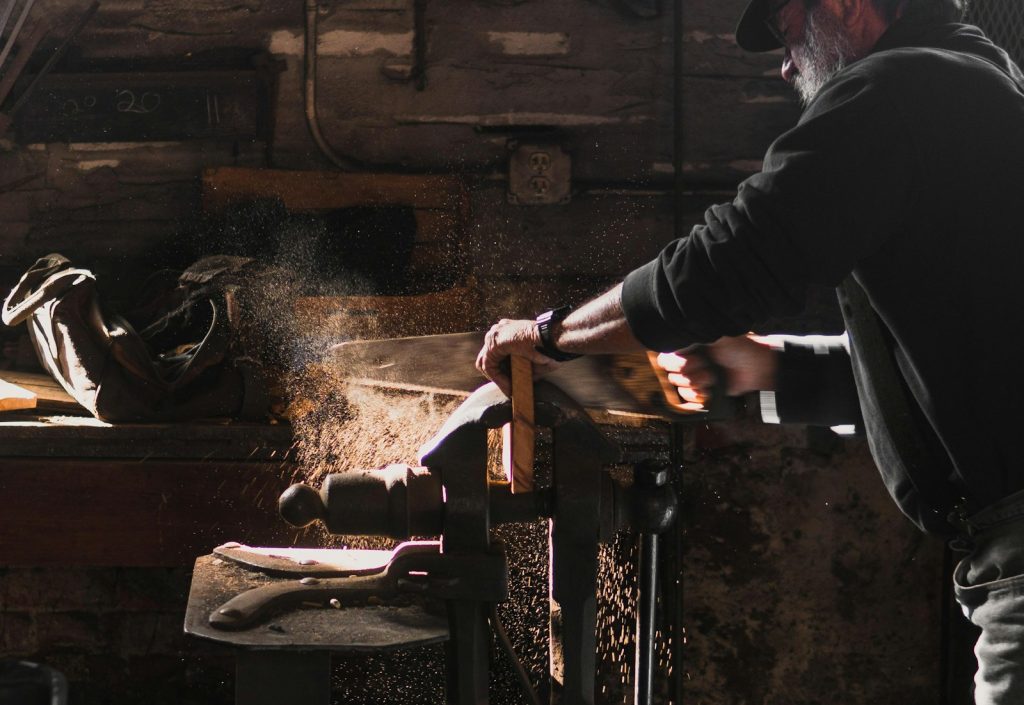
- Solid timber, dowel‑fastened construction: Thick hardwood planks are joined edge‑to‑edge using wooden dowels rather than metal screws as the primary fastener.
This method underlies both classic Indonesian cargo phinisi and the modern generation of private yachts, charter vessels, and liveaboards. At Phinisi Lemo Lemo, our work is to explain this system clearly, match international buyers with vetted Konjo yards that still use it, and translate between tradition and today’s safety, comfort, and regulatory expectations.
Step by Step: How a Phinisi Is Built on the Beach
1. Concept, Use Case, and Budget
Before a single tree is cut, the functional brief is discussed on site: cargo, dive charter, private family yacht, expedition vessel, or boutique cruiser. That intended use drives size, layout complexity, finish level, and cost.
- Length overall (LOA) range: Most serious new builds we see today fall between 25–50 m LOA.
- Typical base hull & structure budgets (last verified June 2026):
- Approx. 25–30 m simple workboat or low‑spec charter: roughly USD 350,000–650,000 for hull, deck, and basic structure only (no interiors, machinery, or class).
- Approx. 35–45 m mid‑range liveaboard/charter yacht: roughly USD 1.2–2.5 million for a complete, operational vessel, depending on interior, machinery, and compliance scope.
- Approx. 45–50+ m high‑spec expedition/charter yacht: roughly USD 2.5–5+ million, especially if built to a recognised class or high safety standard.
These ranges are broad and project‑specific; final pricing is always confirmed directly with the selected yard. At this stage we usually work with you to narrow a target size, broad budget envelope, and desired certification (local Indonesian standards, or international requirements such as class, flag‑state or commercial charter compliance).
2. Sourcing and Seasoning Timber
Traditional phinisi are heavy, full‑displacement wooden vessels. Wood choice is therefore crucial for strength and longevity.
- Primary structural hull planking
- Often from dense Indonesian hardwoods sourced under a mix of local customary practice and formal permits. Availability and legality vary; for export‑oriented projects, documented legal supply is essential.
- Keel, stem, and sternpost
- Massive single timbers, sometimes 40–60 cm thick or more, selected for straight grain and resistance to rot.
- Decks and superstructure
- Frequently in slightly lighter hardwoods to manage weight high in the vessel while preserving durability.
Timber is air‑dried on or near the beach, often for months, sometimes a year or more for thicker stock. Shipwrights assess moisture content by weight, sound, and experience. For high‑spec projects, portable moisture meters and third‑party surveyors are often brought in to add objective checks to the traditional judgment.
3. Keel Laying and Rituals
For Konjo builders, a ship has a soul. The keel is its spine, and laying it is both a technical and a spiritual moment.
- Orientation: The boat is usually oriented roughly north–south along the beach, with slight adjustments based on ground, tides, and launch path.
- Ritual offerings: A small ceremony led by the punggawa may involve recitations in Konjo or Bugis, offerings of rice, eggs, or water, and symbolic marks on the keel.
- Name and intention: Some owners choose to fix the vessel’s name at this stage; others wait until closer to launch. In Konjo belief, clarity of intention for the ship’s future work is important.
As a buyer you can attend or participate respectfully in the keel‑laying ceremony. We help you engage in a way that honours local custom while also documenting the technical aspects of the keel construction.
4. Building the Hull First: Plank by Plank
The most distinctive part of the Bira method is that the hull shell is erected before the internal frames are installed. This is what people mean by “hull first boatbuilding.”
Key elements:
- Rabbet and backbone: The keel, stem, and stern timbers are shaped and joined. A rabbet (groove) is cut to receive the first strakes of planking.
- Garboard strakes: The first planks fixed either side of the keel set the basic curvature and fairness of the hull. Getting these right is critical.
- Rising plank by plank: The hull grows upward as thick strakes are steamed or heated locally (if required), bent, and fastened edge‑to‑edge using primarily wooden dowels.
- “By eye” fairness: The punggawa uses sightlines, taut strings, simple battens, and long experience to maintain symmetry. Adjustments are made continuously as planks are offered up and shaped.
This approach contrasts strongly with Western frame‑first building, where a forest of ribs is erected on the keel, then planked over. In Bira, the outer skin defines the shape and the frames are later inserted to match that shell.
| Aspect | Bira Method (Hull First) | Conventional Frame‑First |
|---|---|---|
| Primary reference | Hull planking lines set by eye and string | Frames/jigs set to drawings or CAD |
| Sequence | Backbone → outer planks → frames inside | Backbone → frames → planks outside |
| Flexibility mid‑build | High; form can be subtly adjusted plank by plank | Lower; frames lock in the shape early |
| Dependence on drawings | Low; master design is in the punggawa’s head | High; lines plans and structural drawings |
| Typical phinisi characteristic | Yes, defines traditional phinisi shipbuilding | Used in modern yards and steel/fibreglass builds |
5. Wooden Dowels and Traditional Fastening
The Bira method relies heavily on wooden dowels as primary plank fasteners. Holes are drilled through mating plank edges; hardwood dowels are driven in, locking the planks together. Caulking material is inserted in seams before the dowels are fully set and the joint is tightened.
Metal spikes or bolts appear in key structural joints (keel to stem, major frames, engine beds), but the philosophy is to let wood move with wood rather than depend entirely on metal fixings that can corrode in a saltwater environment.
For export yachts and higher‑spec projects, it’s now common to supplement traditional dowels with selected stainless or silicon‑bronze fasteners, modern caulking compounds, and protective coatings below the waterline. These additions must be agreed with the yard early, as they affect cost and schedule.
6. Inserting Frames and Internal Structure
Once the hull shell reaches near its designed sheer line, the internal skeleton is installed from within. Frames are measured off the inside of the hull and shaped to fit the existing curve, then wedged, dowelled, and bolted into place.
Additional structural elements typically include:
- Floors and stringers: Longitudinal and transverse members that stiffen the bottom and sides.
- Deck beams: Heavy timbers spanning the hull to support the main deck.
- Bulkheads: Partial or full height partitions, some of which can be adapted to meet watertight bulkhead requirements for certain flags or class.
- Engine beds and tank foundations: Reinforced areas built to accept engines, generators, and fuel/water tanks.
This is the stage where Western surveyors often pay most attention: confirming scantlings (sizes of structural members), fastenings, and load paths. Our role is to help reconcile the punggawa’s practical logic with an engineer’s calculations, especially for commercial or classed vessels.
7. Deck, Superstructure, and Interior
With hull and frames complete, the working deck is laid, usually from durable hardwood planks. Superstructure (wheelhouse, cabins, saloon, sun decks) is built above, usually in lighter but still robust timbers to lower the centre of gravity.
Interior fit‑out is where project costs and timelines vary most widely:
- Simple workboat or local charter fit‑out: Open dormitory bunks, basic galley, minimal insulation or soundproofing.
- Mid‑range charter/liveaboard: En‑suite cabins, commercial galley, crew areas, saloon and dive deck, some sound and thermal insulation.
- High‑end private or expedition yacht: Custom joinery, high‑grade finishes, complex electrical/AV, stabilisation equipment, advanced HVAC and insulation.
Approximate full‑build durations we routinely see (last verified June 2026):
- 25–30 m, simple fit‑out: 12–18 months from keel to launch, assuming uninterrupted work and clear decisions.
- 35–45 m, mid‑range charter: 18–30 months, depending on design complexity, change orders, and supply chain.
- 45–50+ m, high‑spec yacht or expedition vessel: 30–42 months, especially with international class or complex systems.
These are indicative only; an individual project can move faster or slower depending on cash flow, material sourcing, design freeze discipline, and regulatory sign‑off. The yard’s work queue also matters; top teams are rarely idle.
8. Systems, Machinery, and Modern Additions
Modern phinisi may look traditional from the outside but carry contemporary systems below decks:
- Main engines and propulsion: Typically 1–2 marine diesels sized for 7–10 knots economical cruise, depending on hull length and displacement.
- Generators: Multiple diesel gensets for hotel load and dive operations.
- Electrical systems: 24V DC ship systems, 220/380V AC distribution, inverters/chargers, battery banks.
- Water systems: Desalination plants, pressure water systems, hot water, grey/black water treatment as required by intended flag and cruising grounds.
- Navigation and communication: Radar, AIS, GPS, VHF, MF/HF as needed, plus satellite connectivity for higher‑end operations.
- Safety equipment: Fire detection and suppression, life rafts, lifejackets, alarms, and other gear to meet applicable standards.
These systems are often installed by specialist subcontractors familiar with wooden hulls and the humid, salty Indonesian environment. For foreign‑flagged or commercially operated vessels, early dialogue with the flag state, class society (if any), and a competent marine surveyor is essential to avoid late‑stage redesigns.
If you are considering a project and want a realistic picture of how traditional hull‑first construction integrates with modern systems, you can plan your trip to Bira, Tana Beru, and Lemo Lemo with our help; we coordinate on‑site meetings by email and WhatsApp so you can walk yards, see systems in progress, and speak with builders directly.
9. Traditional Rig: Masts, Sails, and “Phinisi” Identity
Historically, phinisi were defined by their rig: two masts with fore‑and‑aft sails, influenced by centuries of Austronesian and foreign contact. Today, many new builds are motor‑sailers: the sails are partly symbolic, partly practical for stability and auxiliary drive.
Key rigging aspects:
- Masts: Typically solid timber, stepped through deck onto substantial mast steps integrated into the hull structure.
- Spars and booms: Also timber, lashed or bolted to mast fittings.
- Sails: Modern phinisi often use durable synthetic sailcloth rather than traditional woven cloth.
- Standing and running rigging: Now commonly steel wire and synthetic lines instead of purely natural fibre.
Some owners prioritise an efficient, actively used sail plan. Others focus more on the visual silhouette while accepting that most propulsion will be by engine. Both approaches can still respect phinisi heritage, as long as the build process honours the Konjo method.
10. Launch Rituals and Final Outfitting
Launching a wooden vessel built on the beach is an event in itself. The hull is cradled on greased logs or a slipway structure and carefully rolled or slid into the sea on a high tide, guided by dozens of shipwrights and helpers.
Traditional practices commonly include:
- Offerings and recitations: Similar to keel‑laying, but this time focused on safe voyages and good income for the ship and her crew.
- Breaking symbolic items: In some launches, coconuts, eggs, or other items are broken to “feed” the sea and invite safe passage.
- Community involvement: Launch days draw local crowds; shipwrights, families, owners, and sometimes crew all attend.
After launch, final fitting‑out continues while the vessel is afloat or alongside a simple pier: installing masts, rigging, interior details, systems commissioning, and sea trials. For export or commercial projects, this is also the period for surveys, stability tests, and documentation for flag, insurance, and (if applicable) class.
“By Eye” vs Drawings: How Precise Is the Bira Method?
“Building phinisi by eye” does not mean guesswork. It means that the master hull form is stored in the shipwright’s memory rather than in a CAD file. Curves and proportions are passed down through apprenticeship, and refined by the punggawa over decades of launches and sea feedback.
In practice, for international projects the Bira method often becomes a hybrid:
- Concept drawings and GA plans: Naval architects sketch the general arrangement (GA), approximate hydrostatics, and structural guidance.
- Negotiated control points: Owners and architects may specify key dimensions (LOA, beam, draft, freeboard, deck heights, cabin layouts) while leaving the detailed curvature of the hull to the punggawa’s craft.
- Surveys during construction: Independent surveyors or third‑party inspectors check fairness, symmetry, and scantlings, and can request corrections where necessary.
This blend respects the Konjo hull‑first tradition while still delivering the predictability that a buyer of a multimillion‑dollar asset rightly expects.
What the Bira Method Means for Cost, Risk, and Quality
Cost Drivers in a Traditional Phinisi Build
Under a hull‑first, beach‑yard model, certain cost factors dominate:
- Timber volume and quality: The single biggest driver of structural cost. Large, straight, legally sourced hardwood is increasingly expensive.
- Labour time: Sand‑side construction with mostly hand tools and simple power tools is labour‑intensive, but local labour rates remain competitive against Western yards.
- Systems and specification: Western‑grade machinery, electricals, electronics, and interior materials can easily double or triple the budget compared to a purely local workboat fit‑out.
- Regulatory ambition: Building to international class or strict foreign flag standards adds professional fees, documentation, design iterations, and additional materials.
For serious buyers it’s critical to view “phinisi price” not as a single number, but as a menu of build philosophy, materials, and compliance choices. Our role is to map those options against your intended operation and risk tolerance.
Risk Areas Specific to Hull‑First, Beach‑Yard Building
The Bira method, conducted in open‑air yards on the sand, introduces distinct risk categories that must be acknowledged candidly:
- Dimensional control: Without a strong design and survey regime, actual dimensions and displacement can diverge from early sketches.
- Moisture and timber movement: Beach‑stored wood can absorb and release moisture; improper sequencing or protection can lead to unwanted movement later.
- Documentation gaps: Traditional yards may not naturally create the paper trail that bankers, insurers, and regulators prefer.
- Change management: Verbal change orders (“make that cabin bigger,” “add a deck”) can expand cost and delay schedules if not controlled in writing.
None of these are reasons to avoid a Konjo‑built phinisi. They are reasons to approach it with clear contracts, independent technical oversight, and on‑site presence at key milestones.
How Phinisi Lemo Lemo Fits In
Phinisi Lemo Lemo is not a shipyard, not a government body, and not your legal or tax counsel. We are an independent shipbuilding intelligence and commissioning service rooted in Bira, Tana Beru, and Lemo Lemo. Our work is to:
- Connect serious buyers with vetted Bugis‑Makassar (Konjo) yards and punggawa based on project size, style, and ambition.
- Explain local pricing norms, contracts, and payment structures, and help you negotiate terms that balance local practice and international expectations.
- Flag where you should bring in your own professionals: naval architects, surveyors, maritime lawyers, tax advisors, and flag specialists.
- Stay transparent: no one can pay to change what we publish; if you proceed with our partner they may pay us a referral fee at no extra cost to you.
For ownership structures, flag, and cabotage (what your vessel can legally do in different countries), we share general patterns we see on the ground, but that is not legal advice. You must consult relevant experts in your jurisdictions.
Is a Traditional Phinisi Build Right for You?
Working with a Konjo yard using the Bira method is not the same as ordering a production yacht from a catalog. It is closer to commissioning a one‑off wooden building from an architect‑builder pair who still think in timber and hand tools.
This path may suit you if:
- You value heritage and are comfortable engaging deeply with a different maritime culture.
- You want a large wooden vessel with character and are prepared for the maintenance, survey approach, and operating profile that implies.
- You can commit time on the ground in South Sulawesi at key build stages and are willing to hire independent experts where appropriate.
- You understand that all pricing and timing are estimate ranges, subject to material supply, weather, regulation, and design decisions.
It may be less appropriate if you require:
- Strictly fixed‑price, fixed‑date guarantees regardless of change orders or external factors.
- A low‑involvement, turnkey transaction with minimal travel and meeting time.
- A vessel that must conform exactly to specific production‑boat standards and documentation formats without adaptation.
If you would like to see the Bira method in action, walk active builds, and discuss a concept tailored to your needs, you can plan your trip with us; we coordinate preliminary calls and on‑site visits via email and WhatsApp to match your schedule.
Key Facts About How Phinisi Are Built Today
- Core building region
- Southern tip of South Sulawesi, around Bira, Tana Beru, and Lemo Lemo.
- Construction method
- Traditional Bira method: hull first boatbuilding, outer planking before frames.
- Design process
- Punggawa’s experience combined with modern drawings and surveys for higher‑spec projects.
- Primary fasteners
- Wooden dowels between planks, with selective metal bolts in key joints.
- Materials
- Heavy Indonesian hardwoods for hull and structure; lighter woods for interior and superstructure.
- Typical build time
- Roughly 12–42 months depending on length and specification (last verified June 2026).
- Cost spectrum
- From several hundred thousand USD for small, simple builds to several million USD for large, high‑spec yachts (last verified June 2026).
- Regulatory environment
- Mix of Indonesian law, flag‑state rules, possible class requirements; owners should seek their own legal and tax advice.
FAQs: Bira Method and Modern Phinisi Builds
Can a traditionally built phinisi meet international safety standards?
Yes, but it requires planning. The underlying hull‑first, dowel‑fastened wooden structure can be engineered to meet many flags’ and class societies’ requirements if a competent naval architect and surveyor are involved from the outset. Compliance is project‑specific and depends on your chosen flag, intended use (private vs commercial), and the level of documentation you require.
Do I have to be on site in Bira or Tana Beru during construction?
You do not strictly have to, but it is strongly recommended. Key decisions on layout, timber selection, and changes are best made face to face with the punggawa and yard. Many successful international owners visit several times: for keel‑laying, hull completion, interior layout sign‑off, and sea trials. Between visits, you can use surveyors, photo/video updates, and remote meetings to monitor progress.
Are there fixed prices for phinisi construction in South Sulawesi?
No. Every phinisi is effectively a one‑off project. Yards may quote ballpark ranges based on length and general specification, but final cost is influenced by timber markets, systems choices, interior standards, and regulatory scope. All figures we share are estimate ranges (last verified June 2026) and must be confirmed directly with the yard in a written contract.
Is “building by eye” acceptable to insurers and financiers?
Insurers and lenders usually care more about the vessel’s final survey reports, structural adequacy, stability data, and compliance with relevant rules than about whether frames were lofted from CAD or fitted inside a hull built by eye. For higher‑value projects, we typically see a hybrid: traditional hull‑first construction overseen by surveyors and informed by professional naval architecture to satisfy technical stakeholders.
How do I start a conversation about commissioning a phinisi?
The most practical first step is to clarify your intended use, rough size range, and budget envelope. From there you can contact us to discuss options and, if it makes sense, plan your trip to South Sulawesi. We coordinate introductions to suitable Konjo yards and punggawa, help you structure early discussions, and stay available on WhatsApp and email as you evaluate if a Bira‑method phinisi is right for you.